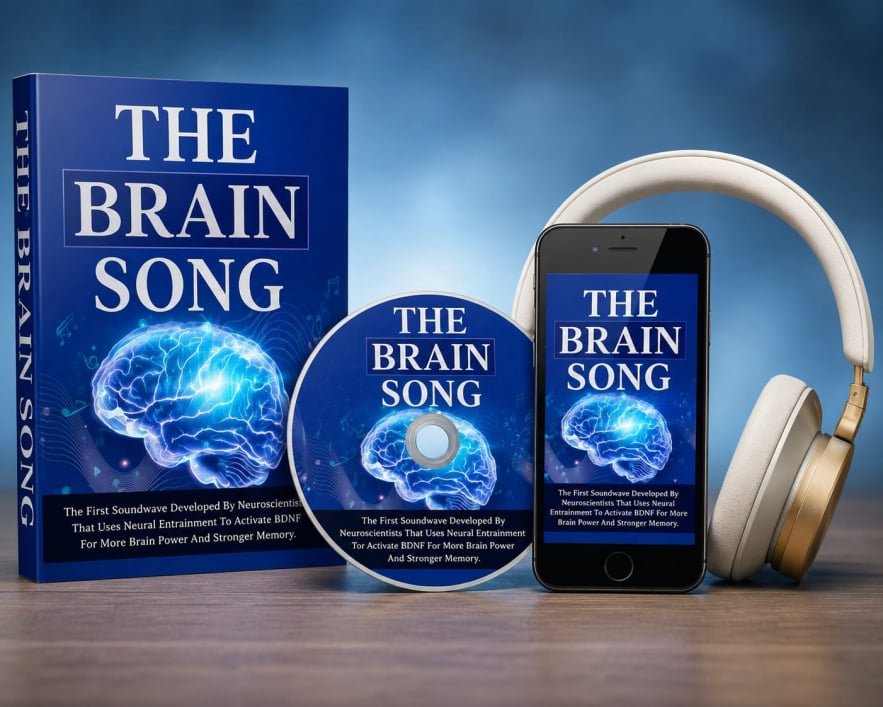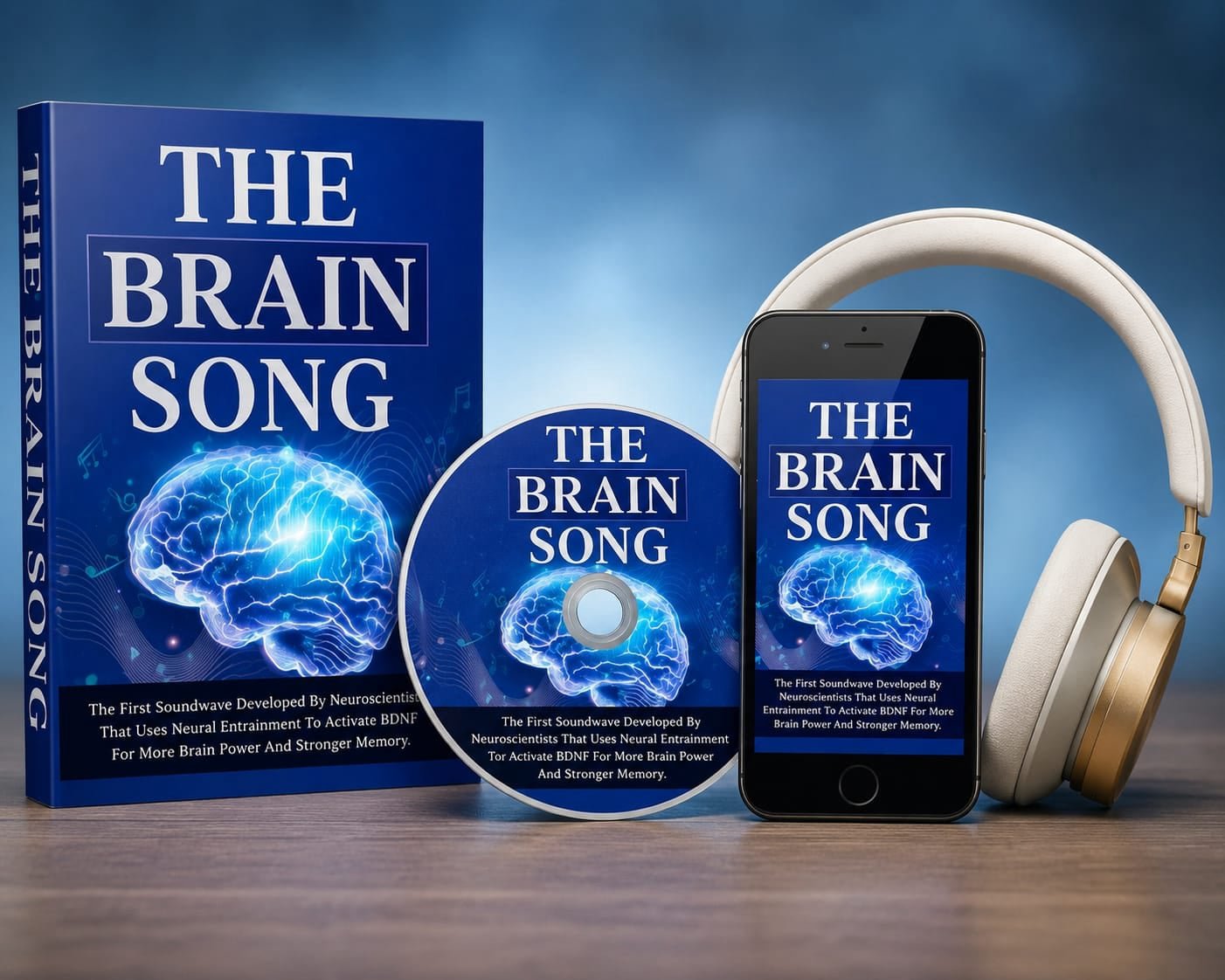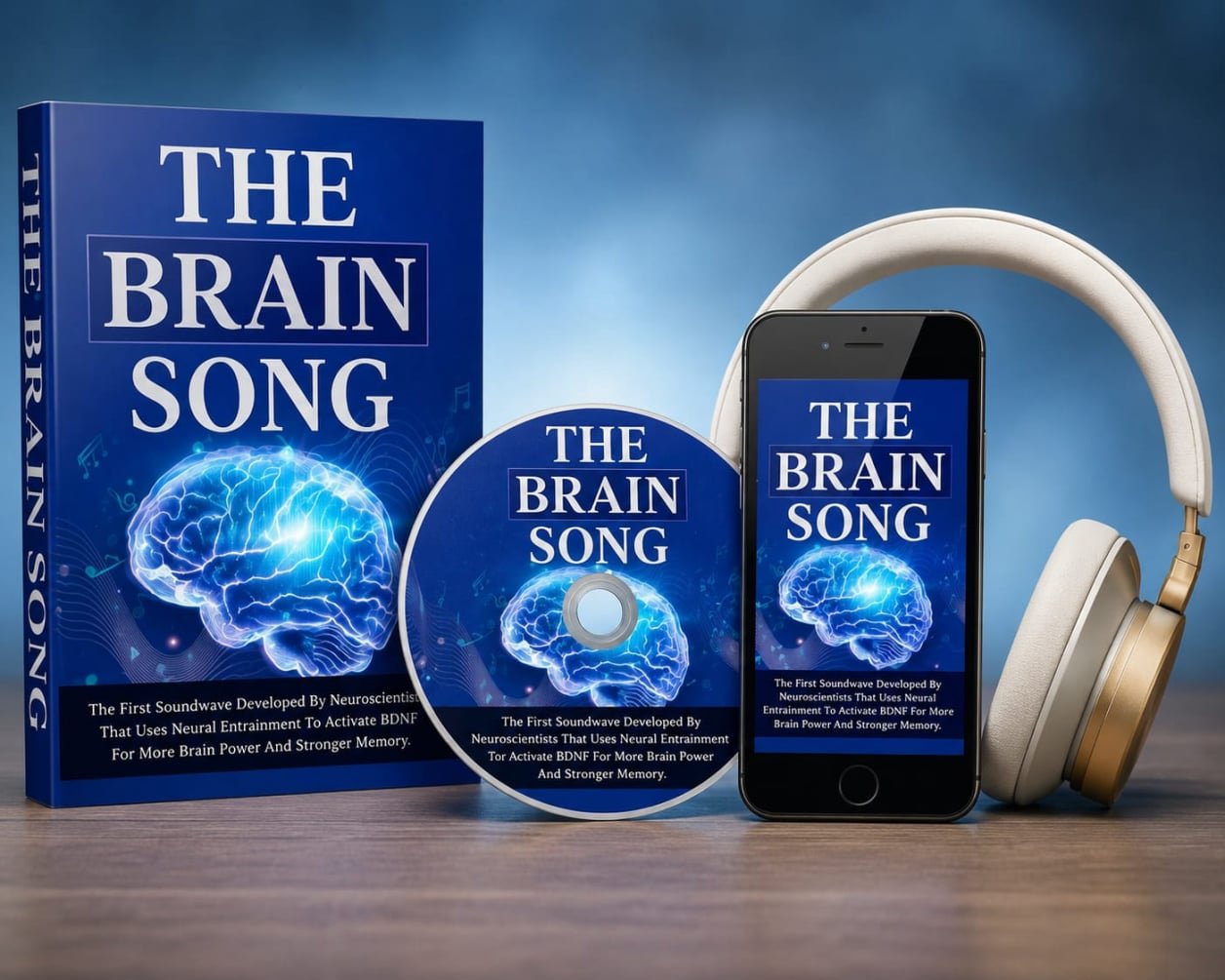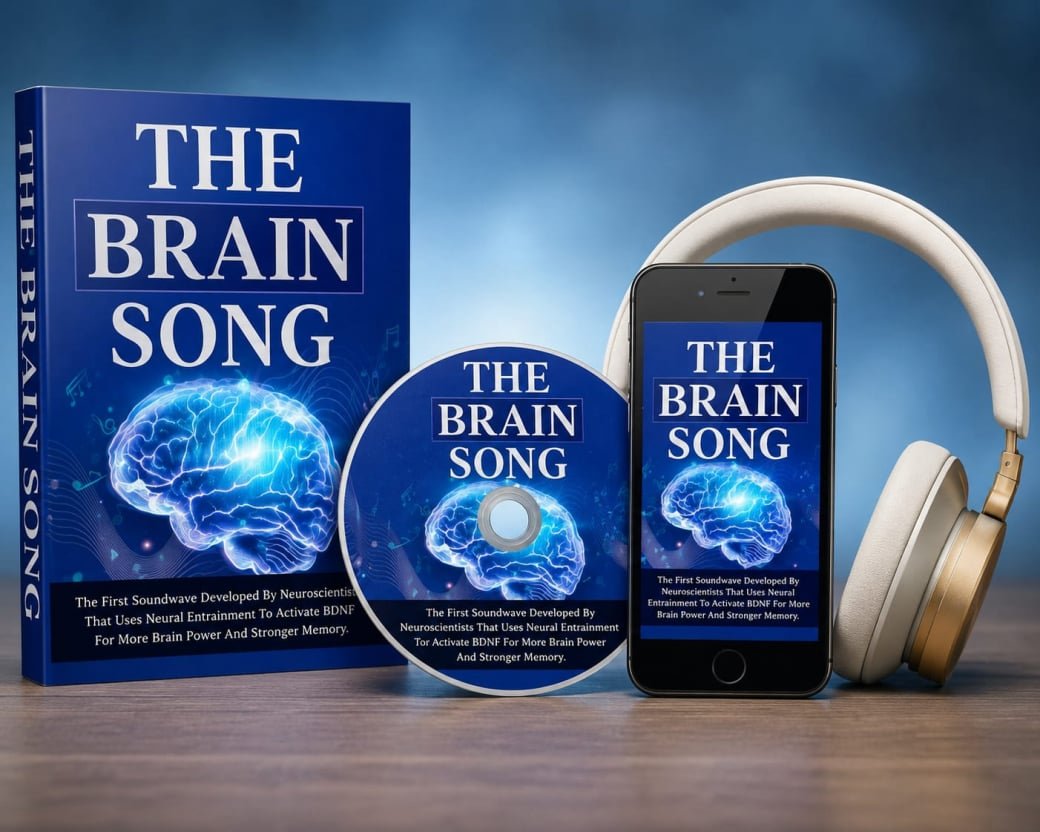
The Brain Song is a 12-minute daily audio program that targets BDNF production through gamma-frequency brainwave entrainment. BDNF is a real protein with genuine peer-reviewed research behind it Harvard and Oxford have both studied its connection to memory and neuroplasticity. The audio mechanism is real too: gamma entrainment is measurable on EEG and has been studied specifically for cognitive support since a landmark 2016 Nature paper on 40 Hz stimulation.
What isn't established is whether this specific product produces those results in humans at those doses. That's the honest gap between the science and the sales page. At $39 with a 90-day refund, the financial risk is low enough that the question becomes less "should I trust the claim" and more "am I willing to test it for three months."
Regular price:$197

At 45, I'd accepted that remembering names was just going to be hard. I forgot names the moment I heard them. Two weeks in, something shifted not dramatically, but I started holding onto things. Names, tasks I hadn't written down, details from conversations. By week four, my family noticed before I said anything. That's when I knew it wasn't placebo. The audio itself is relaxing in a way I didn't expect. It doesn't feel like work.
Sahana M. Austin, TX
At age 50, The Brain Song feels surprisingly refreshing and meaningful. Its simple yet catchy style makes complex ideas about the brain easy to understand and enjoyable. The song has a nostalgic, almost childlike charm, but it still resonates with adults by reminding us how amazing and powerful our minds are. Overall, it’s a short, engaging piece that proves learning can be fun at any age.
James R. San Diego, CA
I'm a software engineer and I work in deep focus for six to eight hours a day. Brain fog around the three-hour mark was something I'd been dealing with for years just hit a wall and had to take a long break. After about three weeks of daily listening, that wall moved. Not disappeared, but I'm getting five to six hours before it shows up. That's not small. I've tried nootropics, I've tried cold showers, I've tried structured breaks. This is the first thing that's made a consistent difference to how long I can actually think clearly.
Sarah W. Austin, TX
A 17-minute digital audio track engineered to push your brain into a gamma state frequency band (30-100 Hz) that EEG research links with high-order cognition, memory consolidation, and the neurochemical conditions that favor BDNF production. You put on headphones, press play, and do nothing else. The audio works passively.
There's a 10-second activation cue embedded near the start designed to accelerate the brain's entrainment onset, getting you into the gamma state in a specific sound pattern under a minute rather than the five to ten minutes a standard entrainment track would need. After that, 12 minutes of gamma-targeted binaural beats and isochronic tones run their course.
The program is sold at $39 as a one-time digital purchase through the official website. Instant download. No subscription. The package includes the core audio track, a PDF guide explaining the BDNF mechanism and how to time your sessions, and bonus tracks for sleep and deep focus. A 90-day money-back guarantee covers the purchase through the platform's buyer protection.
During a listening session, four unique processes take place one after the other. They rely on each other, so missing one won't just lessen the impact; it actually alters what's going on in your brain.
90-Days Money Back Guarantee..
If The Brain Song hasn't produced any noticeable change in your memory or cognitive clarity after 90 days of regular use, contact support for a full refund. No documentation required, no questions asked. Three months covers multiple full neuroplastic adaptation cycles - enough to genuinely test whether the program works for you
Brain-Derived Neurotrophic Factor is a protein produced in the brain that supports the survival of existing neurons and encourages the growth of new ones. It regulates synaptic plasticity how strong and flexible the connections between brain cells are which is the physical basis of memory and learning. BDNF levels decline with age and with chronic stress, and that decline tracks closely with the memory problems many adults experience after 40. Exercise, quality sleep, and certain types of cognitive stimulation all support BDNF production. The Brain Song's claim is that gamma-frequency audio can be added to that list.
The underlying science has real research behind it. A 2016 Nature paper from MIT showed that 40 Hz (gamma) light flickering reduced amyloid plaques in Alzheimer's mouse models and was associated with increased neural synchrony. Harvard and Oxford researchers have studied gamma stimulation's cognitive effects. What isn't established for this specific product is whether 12 minutes of audio at gamma frequencies produces measurable BDNF increases in human users at home. The gap between "gamma stimulation shows promise in research settings" and "this audio track activates your BDNF" is where appropriate skepticism belongs.
The audio is designed to guide your brain into a focused, somewhat inward state reduced external awareness, higher internal cognitive synchrony. That's precisely what makes it useful for cognitive support, and precisely what makes it dangerous when you need to be monitoring your environment. This isn't a liability-driven disclaimer. The mechanism that makes it work is the mechanism that makes it unsafe in attention-critical situations. Morning before getting up, or quiet breaks at your desk, are the intended windows.
Possibly, for a specific reason: most consumer brainwave products target alpha or theta frequencies (relaxation and light meditation states). The Brain Song targets gamma, which is a fundamentally different and less commonly used target. If you've done alpha meditation audios and felt underwhelmed, you haven't tried gamma entrainment the experience and reported effect profile are different. That said, a small percentage of people don't appear to respond to brainwave entrainment at any frequency, and the 90-day guarantee exists specifically for that scenario.
Users over 50 represent one of the more consistent success groups in reported results memory-related concerns are exactly what the program targets. It is non-invasive, requires no chemicals or supplements, and creates no dependency. That said, it is not a medical treatment and should not be used as a substitute for professional evaluation if memory changes are significant or rapid. If you're managing a diagnosed cognitive condition, consult your physician before adding any new brain stimulation practice to your routine.
Website Builder Software